
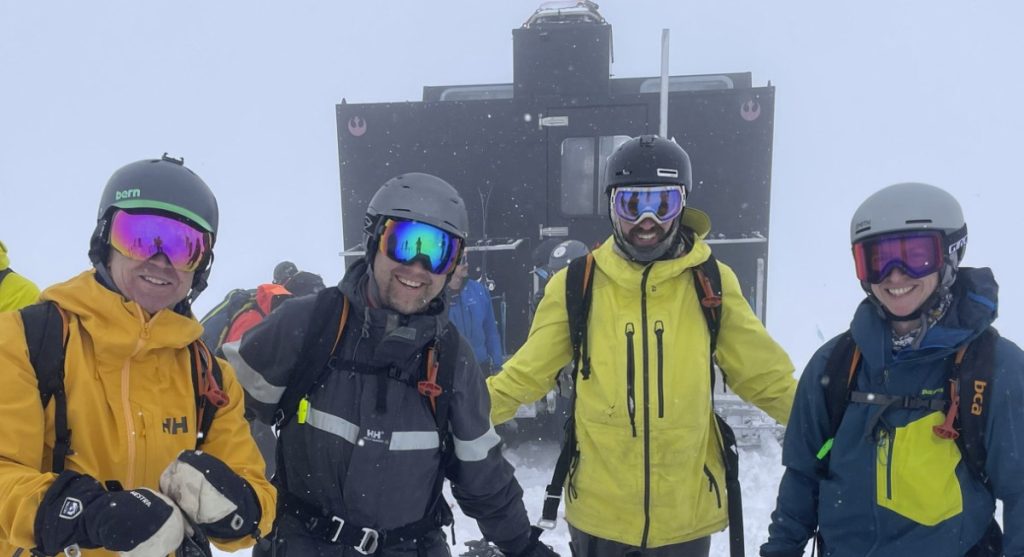
Linden found a way to combine two passions into one unique career. After spending more than a decade working as a professional forester, he enrolled in TRU’s Adventure Guide program to pursue a future in outdoor recreation. Today, as Lead Recreation Planner at Cabin Operations Ltd., he helps adventure tourism operators navigate recreation planning, trail development and Crown land approvals, bridging the gap between forestry and the outdoor recreation industry.
Tell us a little bit about yourself. What have you been up to since graduation?
During my time in the Adventure Guide program, I stayed in close contact with Cabin, where I had worked as a professional forester for several years prior to attending TRU. One of the owners started chatting to me about offering recreation planning services after several snowcat operators reached out to us about timber cutting licenses for their gladding programs.
Through conversations with those operators, and from what I was learning at TRU, we realized there was a gap in comprehensive, professional services for adventure tourism operators.
After graduating, I stepped into the role of Lead Recreation Planner at Cabin. Now, I split my time between trail planning and navigating adventure tourism applications. I help operators with everything from cutting licenses for glading to tenure applications and approvals for backcountry lodges.
What inspired you to apply for the Adventure Guide program?
I was looking for a change to focus on my passion for outdoor recreation and had heard nothing but great things about the Adventure Guide program at TRU. Initially, I expected to pivot to a new career in guiding separate from forestry, until I realized I could combine both worlds into something unique.
Looking back, what skills or experiences from the Adventure Guide program have been the most valuable in your career?
The connections, insights, and industry exposure were key to being able to build up the position I’m in now. The program offers so many opportunities to engage with professionals across the outdoor recreation sector. There’s a lot to gain through conversations with TRU instructors, guides, industry speakers, and other students in the program.
What are you currently doing for work? How did you get there—what was your career pathway or journey?
After deciding to find a career where I could work outdoors, I graduated from UNBC with a degree in Natural Resource Management (minoring in Forest Recreation) and became a Registered Professional Forester (RPF). I spent over a decade working in BC’s interior where I explored a few different career pathways in forestry. By 2021, I was managing field crews developing cutblocks, and while I enjoyed the work, I was ready to shift my focus toward recreation.
That decision led me to the Adventure Guide program, which shaped my current recreation planning role. Here, I’m able to combine my technical forestry background and understanding of crown land regulations with what I learned in adventure studies to support the commercial outdoor recreation industry.
What advice would you share with current Adventure Studies students?
Ask questions, and talk to everyone you can including students, instructors, and guides. The network you build, and the conversations you have can shape your career path, so take advantage of it because you never know where you’ll end up.